A bright, chatty child who struggles with every page may not be lazy at all. The signs of dyslexia parents often miss, and how to get a proper assessment and support.
Special-education teachers meet the same child again and again: bright, chatty, quick with a joke. Then a book opens, and the child who was full of words goes quiet.
At home, this child often gets called lazy or careless, and the label sticks. Here are the signs of dyslexia that are easy to miss, and what to do next. Only an assessment by a qualified professional can tell you whether your child has dyslexia; this post can’t.
What dyslexia is, in plain words
Dyslexia is a difference in how the brain handles language. It mainly makes reading, writing and spelling hard. It does not affect intelligence. It isn’t laziness either; the International Dyslexia Association is clear that it doesn’t come from a child not wanting to learn.
It often runs in families, so mention it if someone else struggled the same way. With the right help, many people with dyslexia learn to read and write well, and the earlier, the better.
Signs that are easy to miss
One sign means little, and these signs can have other causes. Look for several that keep showing up in an otherwise capable child.
- Talks well, writes little. The spoken answer is full of ideas; the written one is three lines with crossings-out.
- Slow, halting reading aloud: guessing from the first letter or the picture, skipping or adding small words.
- The same word spelt three ways on one page, and dictation (imla) marks that stay low however much they practise.
- After the age of seven, still often mixing up letters that look alike, such as b and d, or Urdu letters that differ only by their dots. Before seven, this is common.
- Sequences that won’t stick: days of the week, months, times tables, telling the time.
- Clever avoidance: a pencil that suddenly needs sharpening, a lost book, playing the class clown. Or going very quiet.
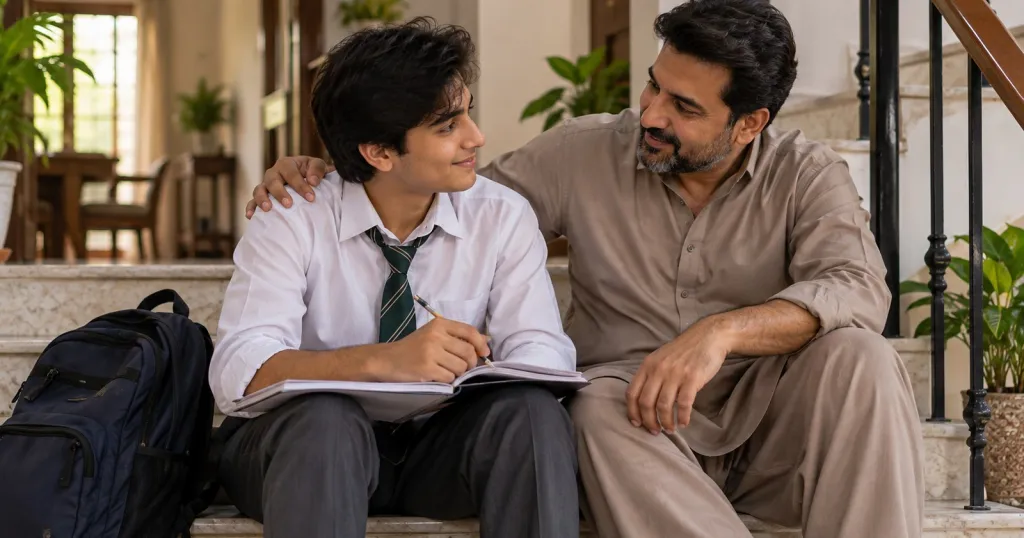
- In older children: knowing more than they can put on paper, writing very slowly, rarely finishing a paper in time.
Picture a Class 2 girl who “reads” her Urdu reader perfectly. Point to a word in the middle of the page, and she has to start from the top of the line: she has been remembering, not reading. Try a new page, as a game, not a test.
Rule out the simple things first
Get your child’s eyes and hearing checked. A child who can’t see the board or hear the teacher clearly can look a lot like a child with a reading difficulty.
Many Pakistani children learn three scripts at once: Urdu, English and the Arabic of the Qaida. A child who reads Urdu comfortably but struggles in English may simply need more English. Struggling in both is worth looking into.
Start with the class teacher
Note a few examples over two or three weeks, take some notebooks, and ask the class teacher for ten minutes. You could say:
“At home, reading and spelling seem much harder for her than talking. What do you see in class? Can we change anything now while we find out more?”
Simple changes don’t need a report: no reading aloud without warning, notes on paper instead of copying from the board, marks for ideas rather than spelling in science. If the school has a special-education teacher, meet them too.
Getting a proper assessment
Dyslexia is usually assessed by a psychologist or a specialist teacher trained in assessment, not by a general doctor. Ask your child’s paediatrician or the school to recommend a clinical or educational psychologist who assesses children. If school worries are affecting their mood or sleep, tell the doctor too.
The assessment usually covers reading, spelling, the sound skills behind reading and general ability. Before you book, ask:
- What is your qualification, and how often do you assess children?
- Which language will my child be tested in? It should match the language they learn to read in.
- Will we get a written report with recommendations for school and home?
Changes that help at school
The report will usually suggest accommodations, small changes such as audio texts, oral or typed answers, extra time with breaks and a quiet room for tests. These make tests fairer but don’t teach reading, so ask for structured reading and spelling lessons too.
For Cambridge O and A Levels, the school applies for “access arrangements”, so ask early. For Matric and Inter, ask what your board allows, and check your board’s own notice.
How to help at home
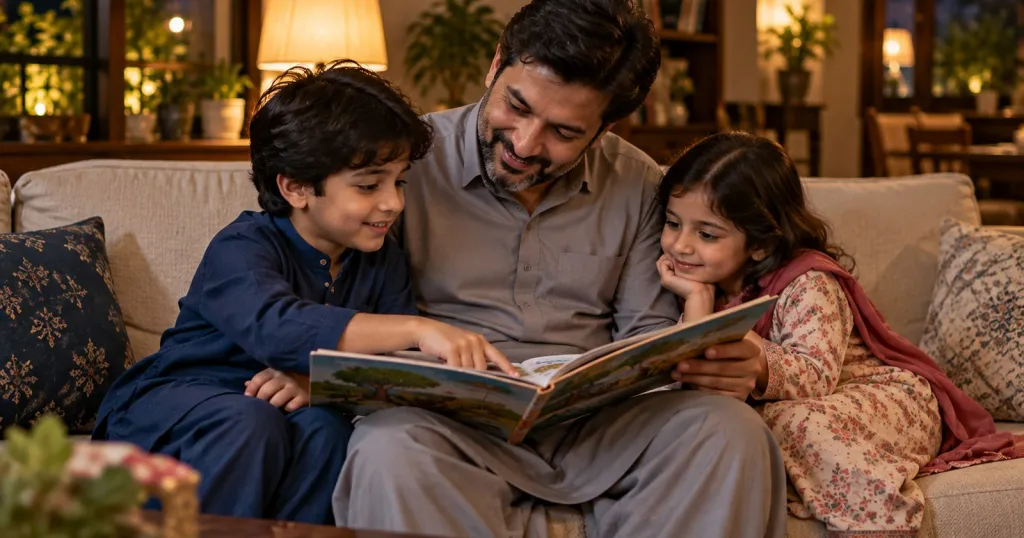
- Read to your child every day. Stories above their level, in Urdu or English, keep their vocabulary growing while reading catches up. Audiobooks count.
- Little and often. Ten calm minutes of the practice the specialist recommends, every day, beats an hour of tears on Sunday.
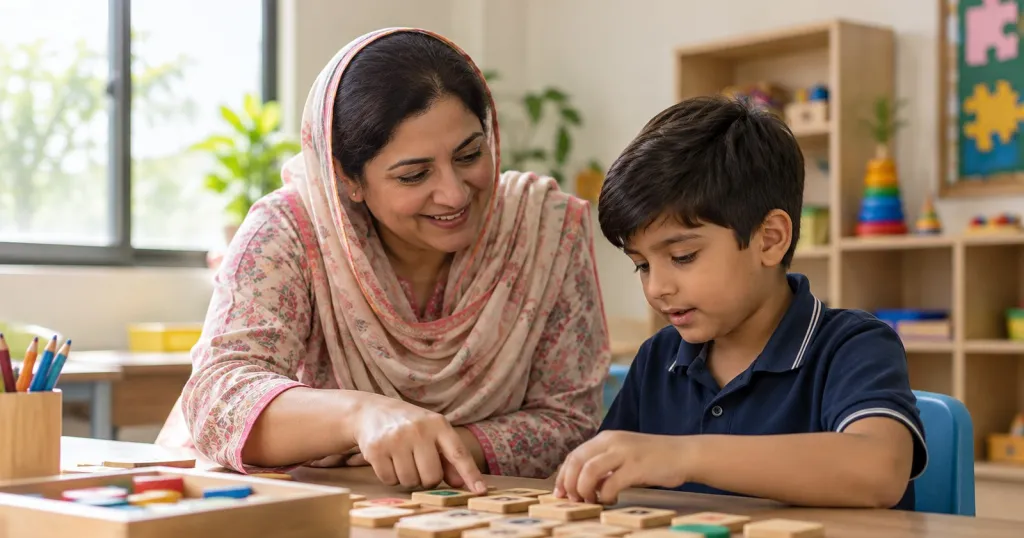
- Spell with more than the eyes. Say the sounds, trace the word in a tray of salt, then write it. Three or four words a week is plenty.
- For homework, read the question aloud and let them say the answer before they write it.
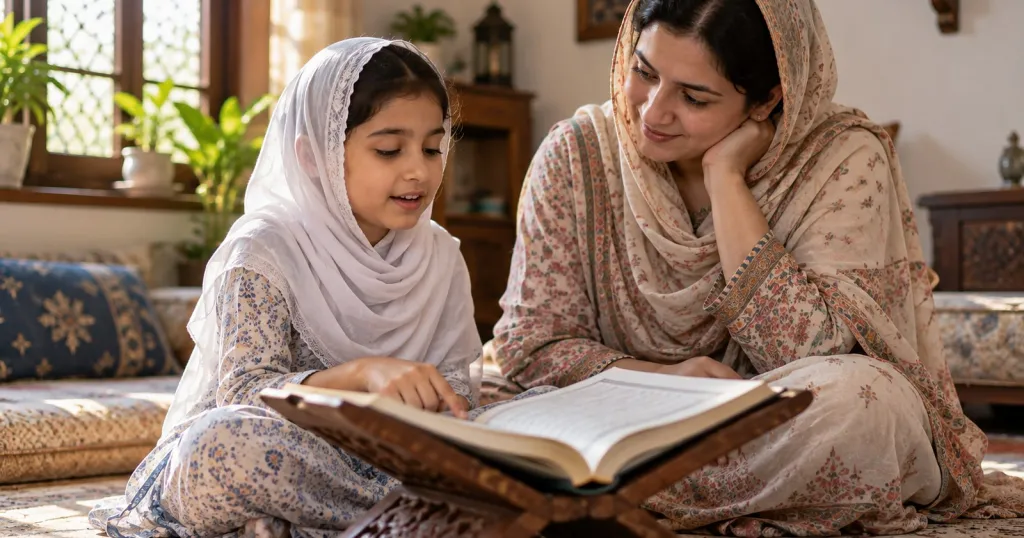
- If your child learns Nazra, tell the Qari sahib too, so slow progress isn’t mistaken for not trying.
- Never make them read aloud in front of guests. No “nalaiq” or “kaam chor” from anyone in the family. And plenty of praise for what they’re good at, from drawing to cricket: confidence carries a child through the hard pages.
Be wary of anyone selling a cure; there isn’t one. Children’s eye specialists say there is no scientific evidence that eye exercises or coloured lenses improve school performance. Structured, patient teaching is what helps.
Tell your child: “Your brain learns reading in its own way. It isn’t your fault, and it doesn’t mean you aren’t clever. We’ll find the way that works for you.”
This week, book an eye test, write down three examples, and message the class teacher.
If the assessment recommends one-to-one practice, choose a patient teacher who will follow the specialist’s plan. You can find a teacher in five taps; our online tutor safety checklist covers what to check first.
Sources
- NHS: Dyslexia
- International Dyslexia Association: Dyslexia basics
- British Dyslexia Association: Signs of dyslexia (primary age)
- British Dyslexia Association: Signs of dyslexia (secondary age)
- Understood: Reversing letters and dyslexia
- International Dyslexia Association: English learners
- British Dyslexia Association: Diagnosis
- International Dyslexia Association: Accommodations
- Cambridge International: Access arrangements
- AAPOS (children’s eye specialists): Learning disabilities